
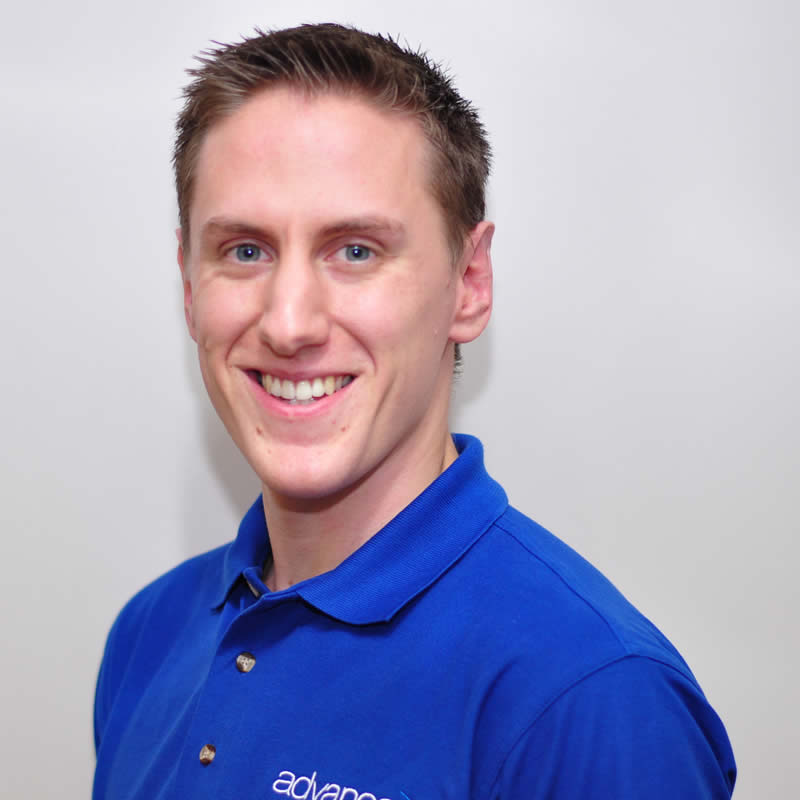
Injuries are rarely random. My role is to identify what's driving the problem and give you a clear, structured route back to moving well
Tim Liggat BSc (hons) Physiotherapy MCSP HCPC reg.
MSK Physiotherapist & Clinical Director
If you’re dealing with a persistent injury, recurring back pain, or a running issue that hasn’t settled despite previous treatment, Tim’s focus is on identifying the true driver of the problem and giving you a clear, structured route back to moving well.
Tim graduated with First Class Honours in Physiotherapy from Ulster University, having previously completed a degree in Applied Sport Science at the University of Edinburgh. With over a decade of experience in private musculoskeletal practice, he has treated thousands of patients ranging from acute sporting injuries to complex, long-standing pain presentations.
Now Clinical Director and owner of the clinic, Tim leads the clinical standards across the practice and provides ongoing in-service training to the physiotherapy team. His assessments are thorough and clinically reasoned, working at a First Contact Practitioner level of expertise to ensure accurate diagnosis and appropriate management from the outset.
He has developed a particular specialism in running-related injuries and persistent spinal pain. His background in sport science and biomechanics allows him to assess movement patterns in detail, while his understanding of the biopsychosocial aspects of pain ensures treatment addresses both physical and behavioural contributors.
Tim’s approach reflects the clinic philosophy: combining precise hands-on treatment where appropriate with progressive strength and movement-based rehabilitation to build long-term resilience — not short-term relief alone.
Alongside 1:1 physiotherapy, Tim has completed APPI Pilates training and integrates Pilates principles into rehabilitation for patients with ongoing back pain and movement limitations.
Outside the clinic, Tim is a keen runner and cyclist, having completed endurance events including London to Paris and multiple half marathons. His personal experience with training and injury informs his practical understanding of the physical and psychological challenges of recovery.